
Wearables were only here with us a few years or so but the tech inside of them are way, way advance more than we could imagine. Take a smartwatch for example, people from a couple of decades ago had been dreaming of our wearable smart watches of today. But with so many of tech inside of them, they too need power, like literally the energy to power and run them.
In today’s setup, wearable devices such as a smartwatch has its own built-in battery to keep them running round the clock and it’s one of the drawbacks they have these days. What if a revolutionary power delivery system will keep these smartwatch running for years?
A team of researchers from Monash University have developed the tech to make just that possible. It’s a solar cell system that could power devices like smartwatches with a little need of a battery or none at all.

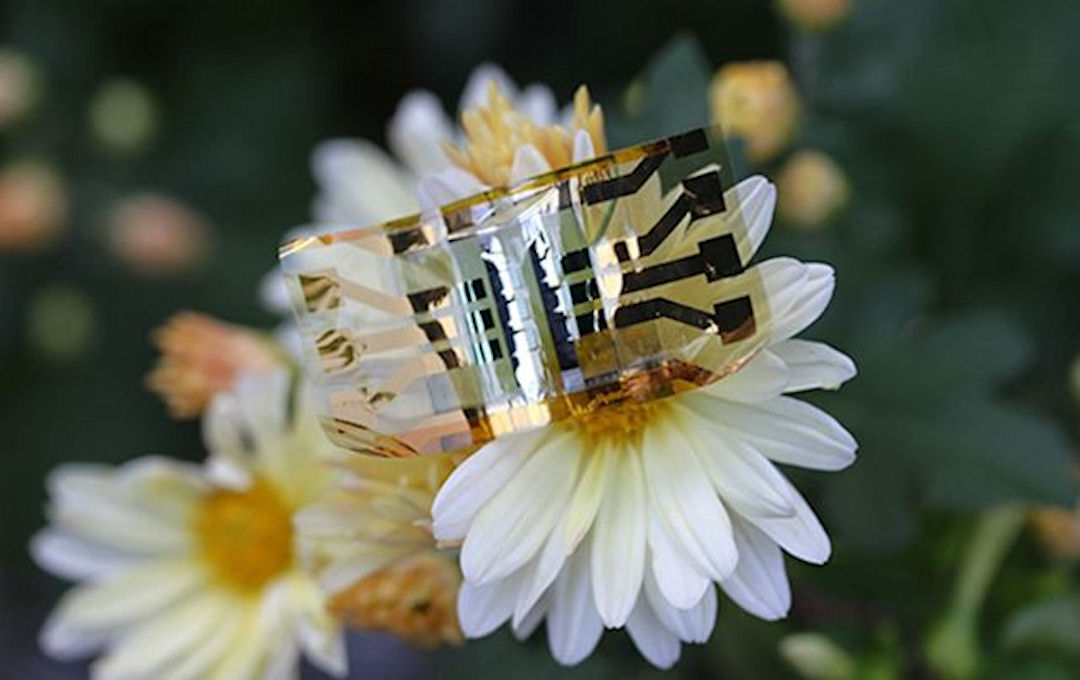
The technology is a super-thin film of a solar cell that is so light enough that it could sit on a flower (like in the picture). It is 10x thinner than a human hair but could generate at around 9.9W of power per gram, enough to power a smartwatch.
As useful as it is, the researchers made sure that the solar-cell can keep up for years. Tests results suggests that the cell could degrade at just 4.8% after 4700 hours of use and could last for 20,000 hours with minimal degradation.
The team developed a “Mechanically Robust” light-absorbing materials that achieve some of the highest power conversion efficiency of any organic cell, at 13 percent. While it’s not as powerful as a typical solar cell but it would powerup smartwatches and other small wearable devices easily.
The technology is very young though and it could take years for it to become available on consumer devices. But the fun part, is that the technology is already here and we’ll just give it some time to mature and become even more liable for our future devices and gadgets.
Discover more from onetechavenue
Subscribe to get the latest posts sent to your email.