
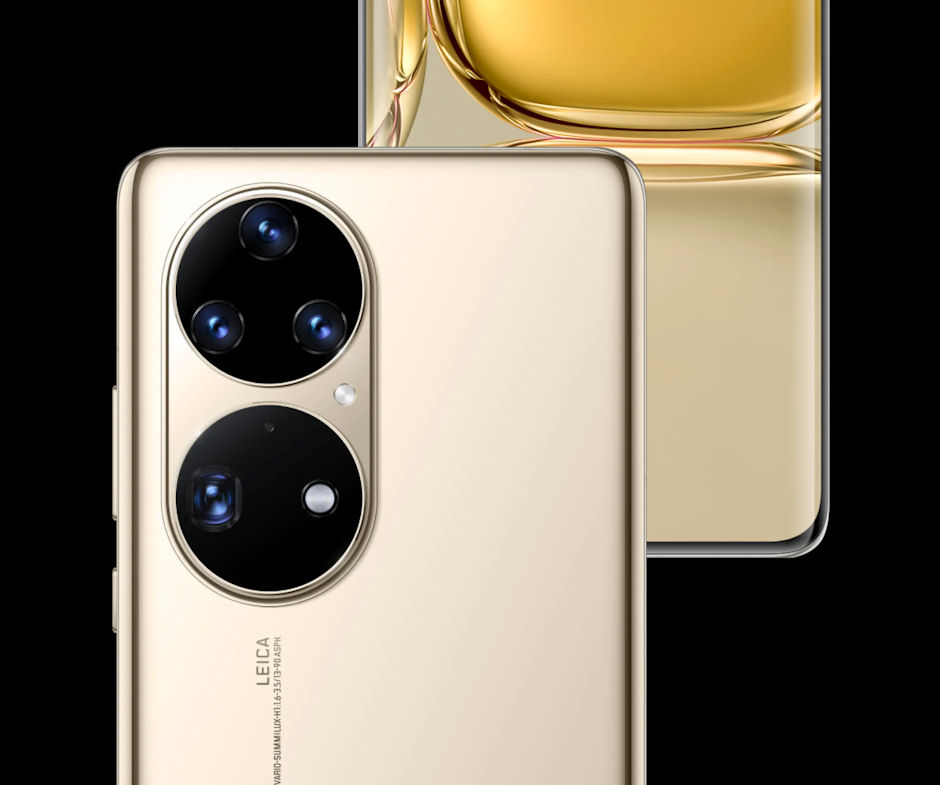
With so many devices looking very similar these days, Huawei announced the new P50 series with a radical design change to stand different among the rest. While we think this might run short in the next few months, it’s still radical in a way that some would find it favorable while others could feel awkward about it.
Nevertheless, the new P series comes with new improvements and upgrades over its predecessor in hardware and most especially on its cameras where the series focuses much recently.

Available in two variants the P50 series with the vanilla version and a Pro version. Both of these variants shares similar designs but the P50 is built around a 6.5-inch OLED display with 90Hz refresh rate. On the other hand, the P50 Pro comes with a 6.6-inch OLED display with 120Hz refresh rate. for both devices, the devices includes a 300Hz touch sampling rate and a single punch-hole on the display that houses the front-facing 13MP camera.
With cameras as the prime feature of the P series. Huawei comes out with a huge decision to introduce a new design for the main camera module with both the P50 and the P50 Pro having a twin-circular camera modules and of course the Leica branding. For the P50, these modules includes a 50MP primary sensor with f/1.8 Aperture and OIS, a 12MP Ultra Wide, 12MP Telephoto and a 2MP for depth sensing.
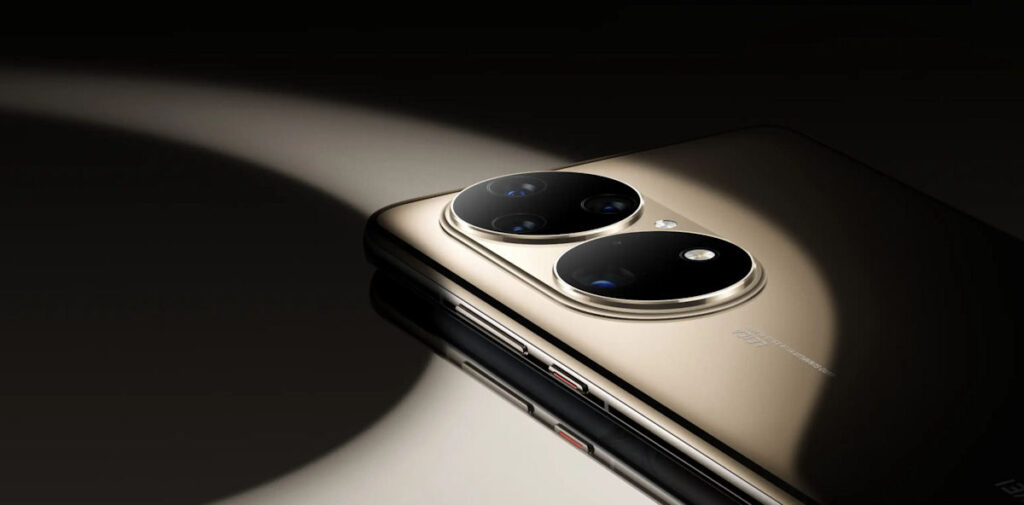
The P50 Pro features a way better camera setup with the company’s latest Dual Matrix camera system that combines a 10-channel multi-spectrum sensor, a Huawei XD Optics, and an XD Fusion Pro image engine for better image clarity and high dynamic range. the P50 Pro comes with a 50MP main sensor with a f/1.8 Aperture and OIS, a 64MP secondary sensor under a Periscope lens that offers 3.5x optical zoom and up to 100x digital zoom. There’s also a 13MP Ultra Wide and a 40MP monochrome camera.
The P50 series is powered by either a Snapdragon 888 SoC of the company’s inhouse Kirin 9000 chipset but there’s a catch though as the series having either of these two chipsets, they don’t a 5G connectivity on it and this took us by surprise since companies a rallying to offer 5G connection with their latest devices.
All variants for the new P50 comes with 8GB of RAM as standard, while its storage capacities ranges from 128GB to 512GB of non-expandable flash.
Keep them lit up, the P50 and the P50 Pro gets there own battery ratings with the P50 having a 4,100mAh power pack while the P50 Pro gets a somewhat beefier 4,360mAh. Both phones includes support for 66W wired fast charging but only the P50 Pro gets wireless charging.
Other features that comes as standard for the P50 series is the in-display fingerprint sensor, Stereo speakers, IP68 certified for water and dust resistance, Bluetooth 5.2, Wi-Fi 6.

Like its predecessor, the Huawei P50 series doesn’t come with Google Mobile services and instead the company brought its own Huawei Mobile Services (HMS) under the company’s own Huawei HarmonyOS 2 operating system which is based on Android 11.
The new P50 series from Huawei will initially be released in China with the following price tags:
Huawei P50
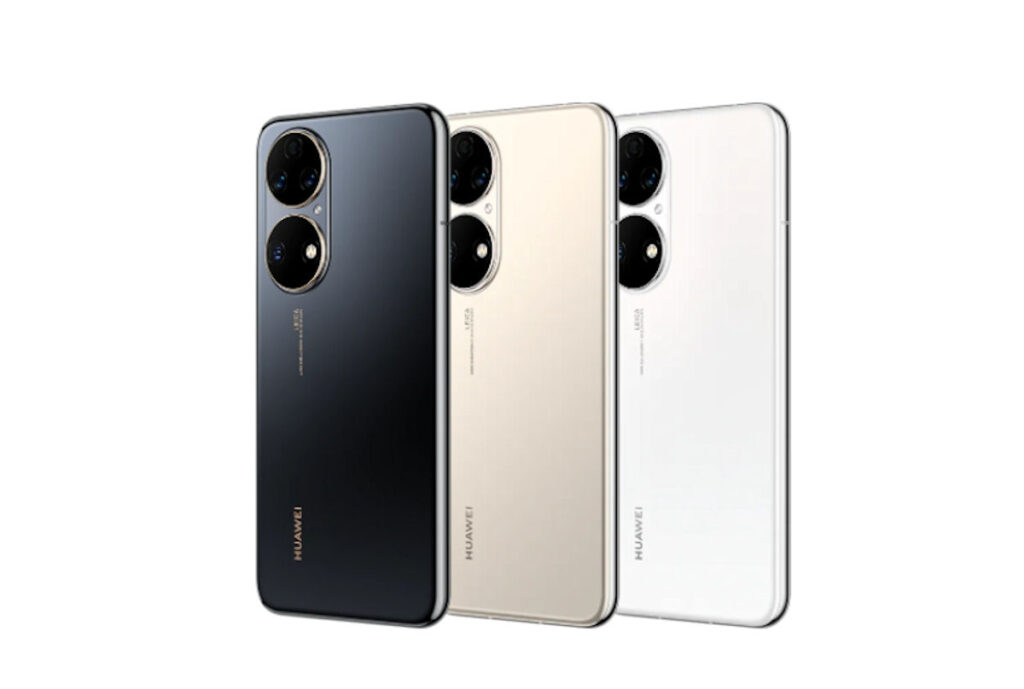
- 8GB/128GB = CNY4,488
- 8GB/256GB = CNY4,988
Huawei P50 Pro
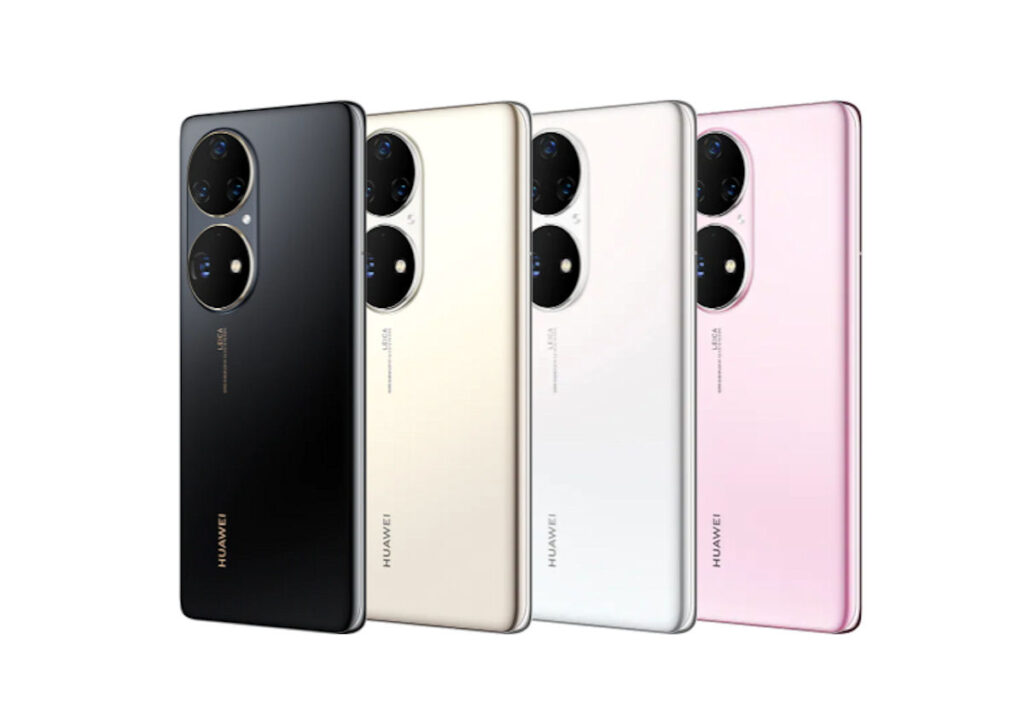
Kirin 9000
- 8GB/256GB = CNY6,488
- 8GB/512GB = CNY7,488
- 12GB/512GB = CNY7,988
Snapdragon 888
- 8GB/28GB = CNY5,988
- 8GB/256GB = CNY6,488
- 8GB/512GB = CNY7,488
Huawei P50 Pro Special Edition with Kirin 9000
- 12GB/512GB = CNY8,488
Discover more from onetechavenue
Subscribe to get the latest posts sent to your email.